
Datum
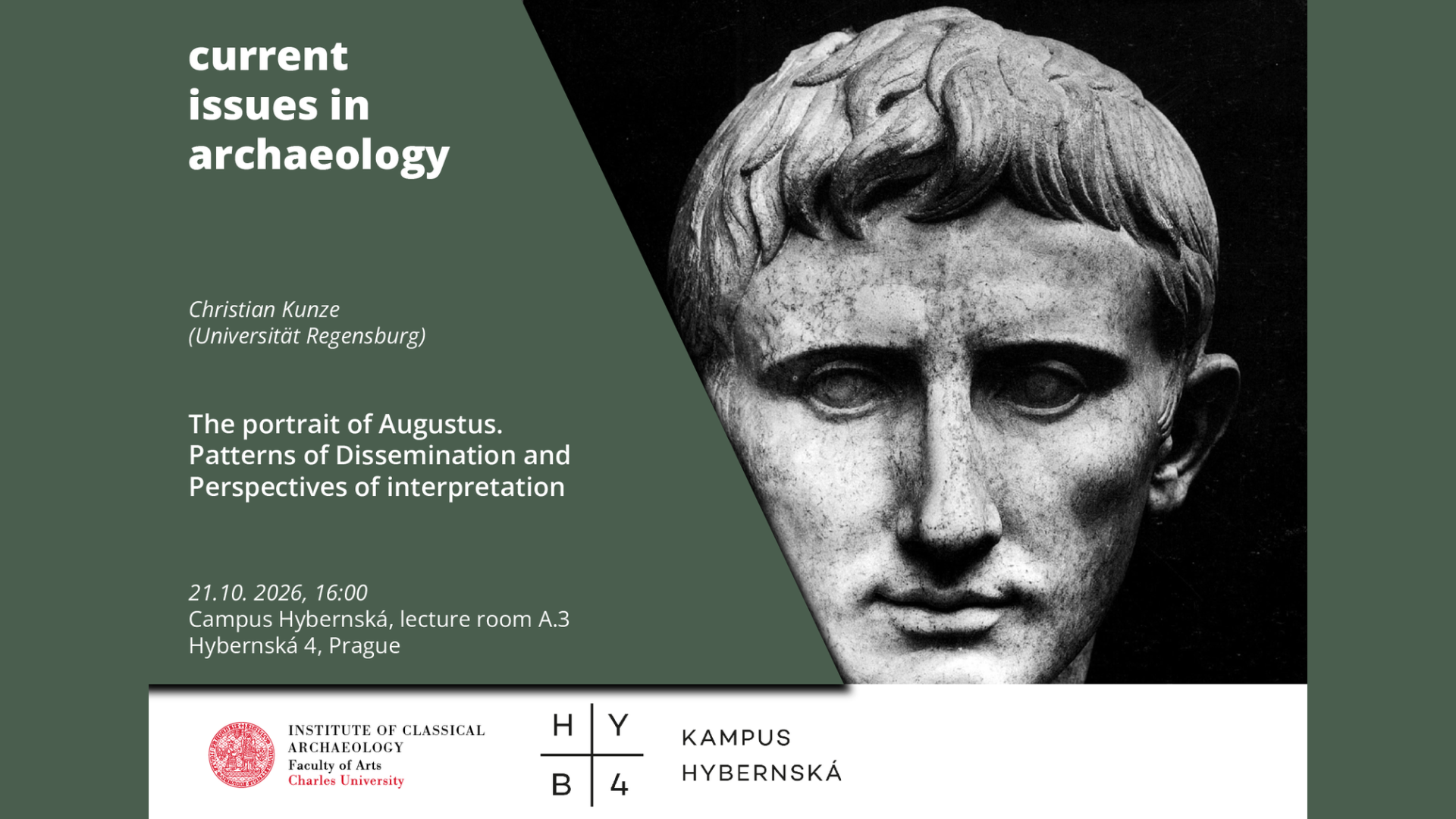
The lecture examines the emergence and early development of the so-called type portrait under Emperor Augustus, a system based on the serial reproduction of standardized portrait models. This innovation fundamentally transformed the visual representation of political power and became one of the most influential developments in Roman art.
Particular attention will be paid to the conditions that enabled the creation of official portrait types and to the mechanisms through which these images spread across the Roman Empire. By analysing the major portrait types of Augustus, the lecture addresses questions of political communication, visual identity, and the relationship between the imperial centre and the provinces.
The presentation further explores how Augustus’ image was adapted to different contexts while maintaining a recognizable and authoritative visual language. Through this case study, the lecture highlights the crucial role of portraiture in the construction and dissemination of imperial ideology in the ancient world.

