Datum
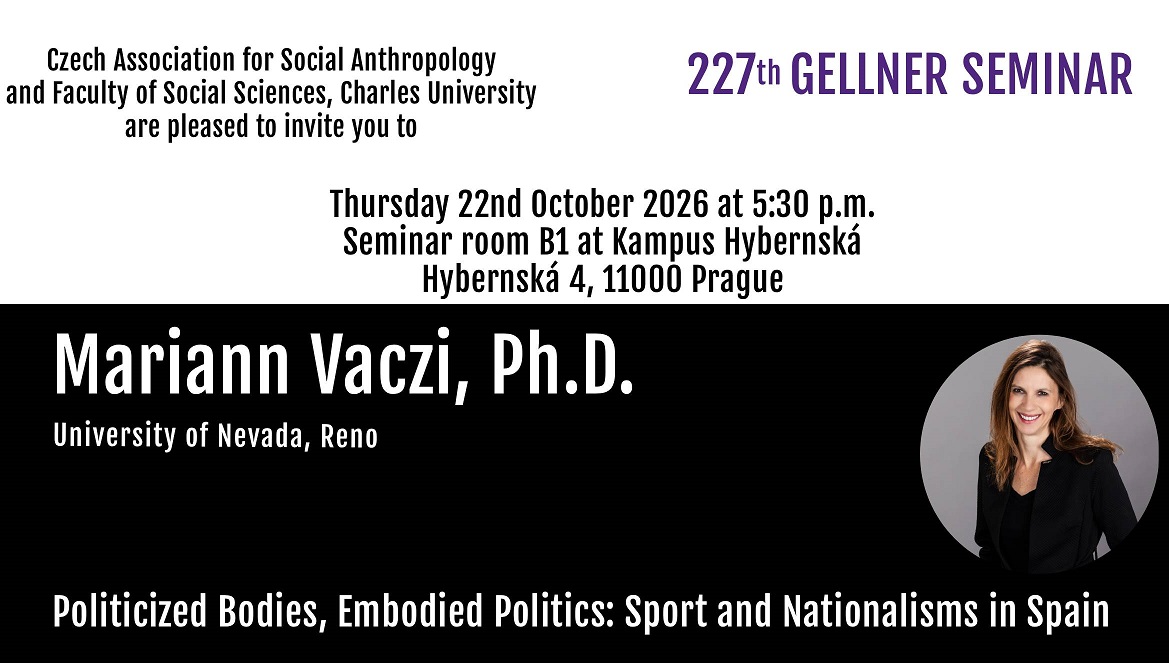
Sport in Spain is deeply embedded in social life and politics. Drawing from years-long ethnographic research in the Basque Country and Catalonia, this talk will address how the political emerges through sport in a state that has experienced profound constitutional crises due to regional pursuits of secession. How does sport both reflect and construct national identities and nationalist desires in Spain? How does the body become politicized, and politics embodied? This talk will address these questions through two movement cultures in particular: football, and the traditional sport of castells or human tower building. Basque and Catalan football have been instrumental in regional identity constructions, as well as the development of Spain’s globally admired football culture. Basque and Catalan clubs were founding members of the Spanish Liga, and footballers have majorly contributed to the successes of the Spanish national team. Below and beyond its spectacular successes, however, Spanish football continues to remain a contested political terrain, as the 2026 World Cup also demonstrated. Besides football, the Catalan traditional sport of castells is another salient example for the geopolitics of the moving the body. While the main function of building castells is to grow community, this unique practice also provides a social base, image, and vocabulary for the independence movement. The talk will provide commentary on the ethnographic study of sport in Spain and beyond.

