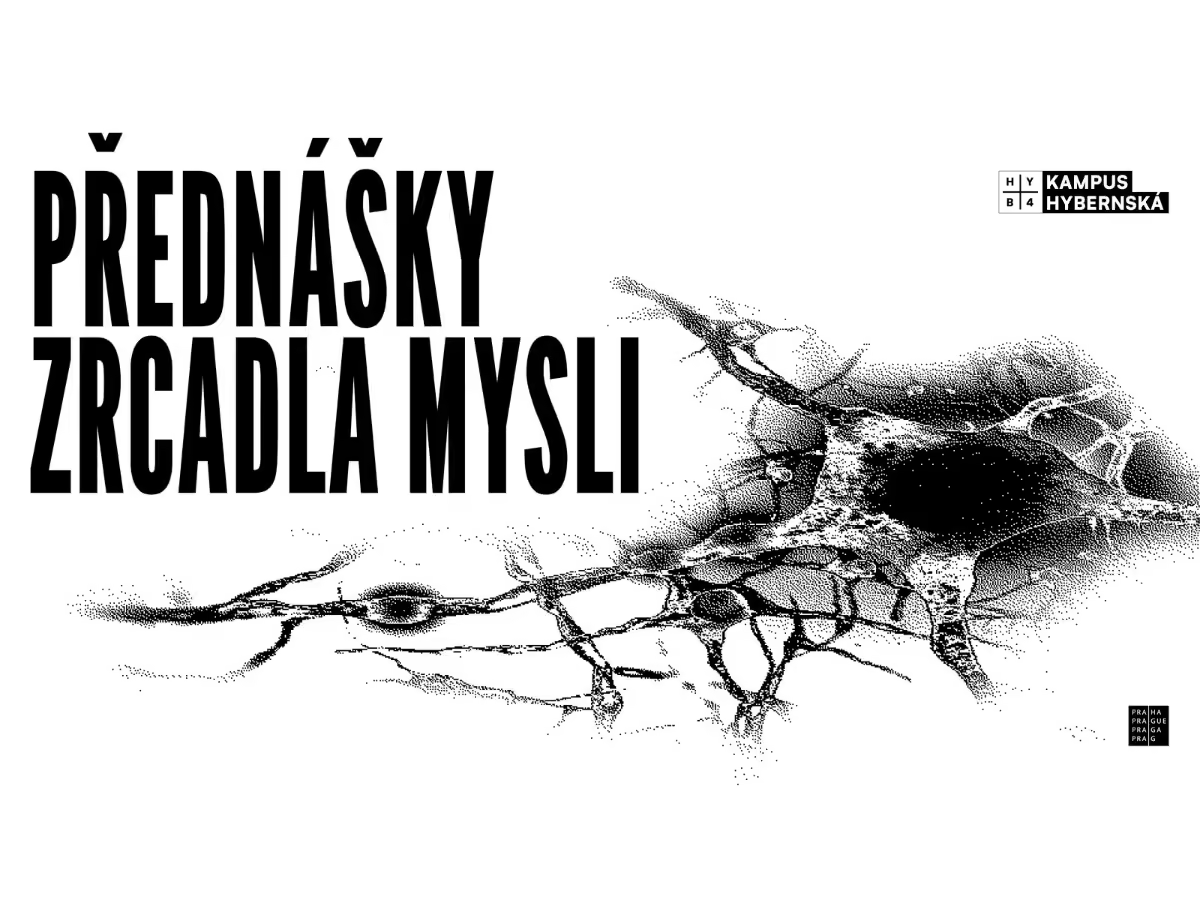
Ayahuasca, peyote, iboga. Natural psychedelics have been part of cultural rituals for thousands of years. After decades of prohibition, they are now returning to therapy, medicine, and scientific research. This autumn, four speakers in our Mirrors of the Mind series will discuss how shamanic traditions and modern psychotherapy work with the human mind, emotions, and trauma—and the personal journeys that led them to this field.
The Amazon rainforest, an international team of scientists, and among them, the only woman: addiction specialist Eva Césarová. Researchers want to find out if psychedelics can help people with depression, and they are looking for answers not only in the laboratory but also among the indigenous people of the Amazon. The journey was captured by director David Čálek in the documentary Doctor on a Trip. Its main characters are Tibor, Richard, and Lucie, who have struggled with depression for many years and found no relief from antidepressants. We will screen the film on October 20 at 4:30 PM. Afterward, Eva herself will take the floor. In her lecture Psychedelic Journeys Within she will talk about ayahuasca, iboga, or Bufo alvarius and about the cultures that, despite the efforts of colonizers, managed to preserve the art of ritual psychedelic use. She will also share what she learned on her own journey.
A miracle cure for everything? A dangerous drug? Rita Kočárová disagrees with both. The psychologist has been working with psychedelic therapy for over fifteen years, having trained in the USA, Jamaica, and Peru, and at the National Institute of Mental Health she led the National Psychedelic Research program. Today, she passes on her experience to other professionals. In her lecture on October 27 she will ask what it actually means to heal, and whether psychedelics might be reminding us of something essential that we have begun to lose.
In Peru, Dagmar Civišová learned how to administer kambo, the secretion of the Phyllomedusa bicolorfrog, which Amazonian communities used for hunting. As an anthropologist, she dedicated her master's thesis to it, titled Kambo and Its Many Faces and continues to research it in the field, both there and in Europe. Today, this secretion is offered worldwide as a "ritual medicine" and a tool for personal transformation. She will explain what happens to a substance from the rainforest when it becomes a global commodity, and how the treatment of both human and animal bodies changes in the process, on November 3rd.
Thirty years of practice, nearly ten of them at the RIAPS crisis center. Psychotherapist Yvonna Lucká works primarily with people who have experienced trauma. She will conclude the series on November 10th with a lecture on how the path to becoming a therapist resembles the path one once took to become a shaman, and how it differs. She describes it herself as "the pleasure of discovering what has already been discovered."
The lecture series was prepared in collaboration with HYB4 Gallery by Kamila Ženatá, who will also host all the evenings. It follows up on last year's lectures on C. G. Jung. The event is held in collaboration with the Czech Psychedelic Society.
The lectures will take place at the A.0 Circular Hub in Kampus Hybernská starting at 6:30 PM on:
October 20th Eva Césarová: Psychedelic Journeys Within (screening of the documentary *Dosed* starts at 4:30 PM)
October 27th Rita Kočárová: Psychedelics between tradition and the future
November 3rd Dagmar Civišová: Kambo frog—its journey through the world and human subjectivity
November 10 Yvonna Lucká: There and back again... and what I learned along the way... (sold out)
The lectures are ticketed; you can book your tickets via the GoOut platform.